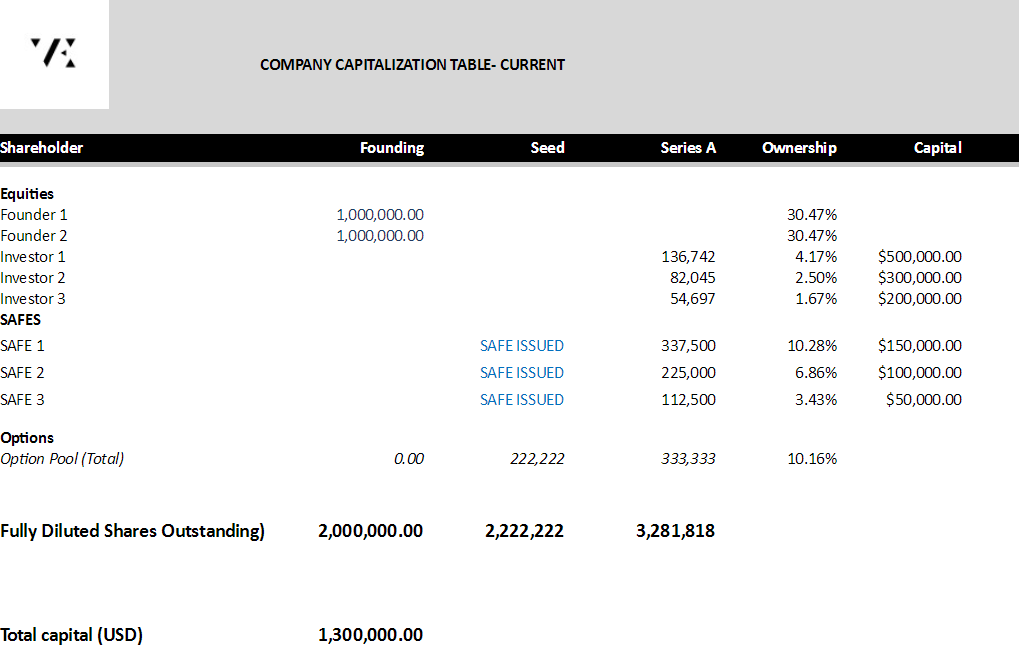
Cap Table—the DNA of a Company’s Equity
A cap table is the foundation of your startup’s ownership, tracking how equity is distributed and how fundraising impacts it over time. Understanding it is critical, and using a dynamic model with SAFE, Series A, and ESOP scenarios can help founders make smarter equity decisions.
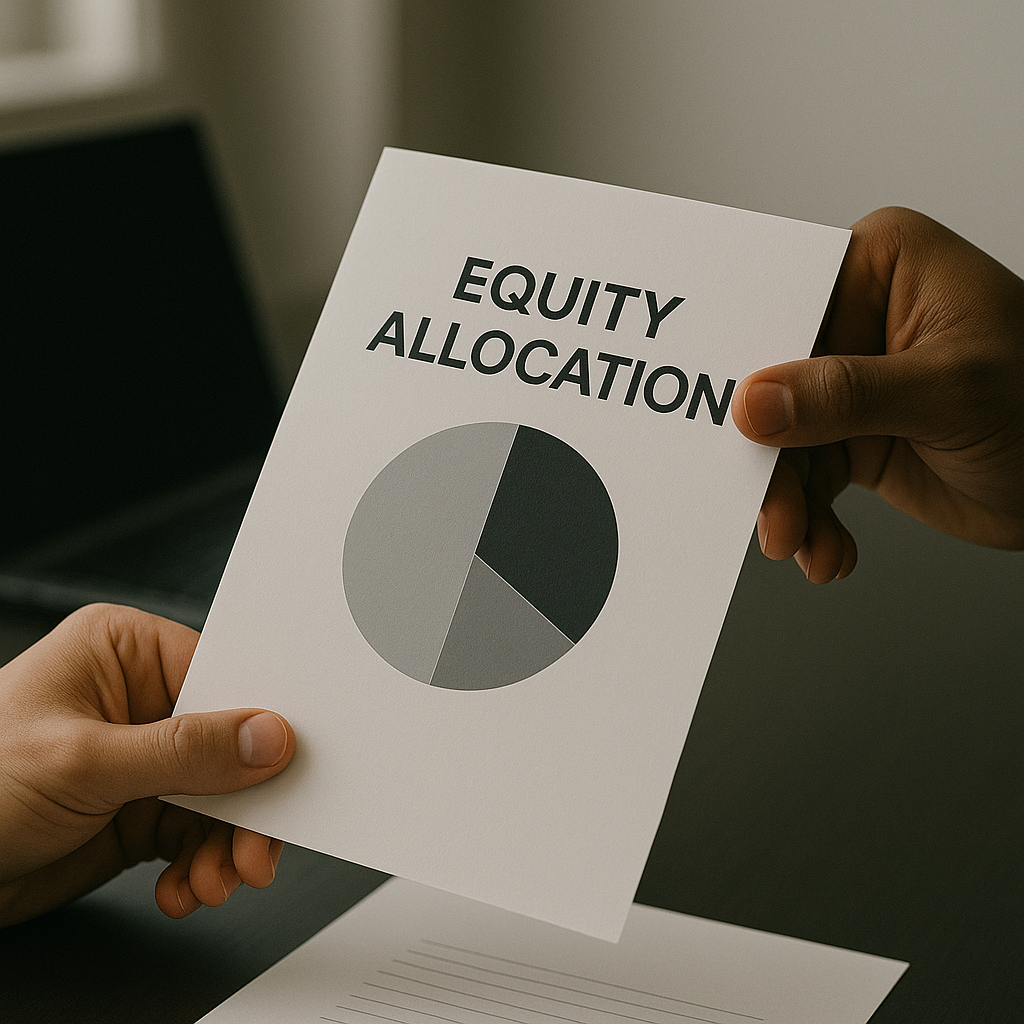
Equity: Choose Wisely, Raise Strategically
Venture funding can accelerate growth, but founders must be strategic with equity to avoid excessive dilution and misaligned investors. The best investors offer more than capital—aligning on vision and long-term value is key to maintaining a healthy cap table and founder motivation.
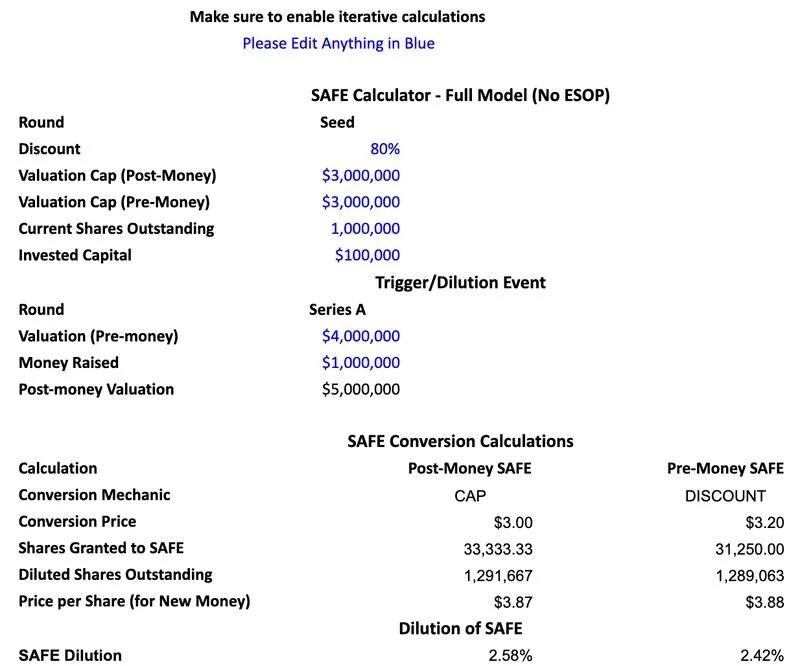
The SAFE Calculator
SAFEs let early-stage startups raise capital quickly by promising investors future equity, typically triggered during the next priced round or an acquisition. Key terms like valuation caps and discounts determine how much equity investors get.
Is the IRA Here to Stay?
Despite Trump’s vow to repeal the IRA, a full rollback is unlikely due to economic gains in red states and internal GOP resistance; a partial repeal is more realistic. Even if scaled back, core clean energy incentives are expected to survive, keeping climate tech investment cautiously optimistic.

The Dry Powder Paradox: A Venture Capital Conundrum
Venture capital is awash with dry powder, but too much capital chasing too few quality startups is inflating valuations and leading to rushed, inefficient investments. To avoid distorted returns and ecosystem imbalances, funds must prioritize strategic deployment over speed and hype.

The $157B OpenAI Valuation Bear Case
Critics argue OpenAI’s $157B valuation is overhyped, citing a lack of technical moat, intense competition from big tech and open-source models, and rapidly declining pricing power. Coupled with leadership turnover and an unsustainable 42x revenue multiple, the bear case sees OpenAI as more MySpace than Microsoft.

The $157B OpenAI Valuation Bull Case
OpenAI's $157B valuation may seem extreme, but proponents argue it reflects its first-mover advantage, rapid user growth, and potential to reshape entire industries. With AI seen as a generational shift like the internet or semiconductors, traditional revenue multiples may underestimate its long-term impact.

Can venture M&A make a comeback?
Venture M&A remains sluggish due to high interest rates and low fund distributions, with most deals happening at the earliest stages. A meaningful rebound hinges on lower hurdle rates, improved startup performance, and the growing appeal of secondary sales as discounts narrow.

How a Leadership Shift Could Change the Venture Capital Ecosystem
IPO and venture activity remain sluggish despite a slight uptick in 2023, with interest rates—not policy—being the key constraint. A real rebound likely won’t come until 2025 or later, and only for companies with strong fundamentals, not sky-high growth stories.

The IRA: A $500B Playbook for Clean Energy and Innovation
The Inflation Reduction Act (IRA) is a $500 billion federal initiative focused on cutting emissions, lowering healthcare costs, and increasing revenue through tax reform. Over $369 billion is dedicated to clean energy through tax credits, loans, and R&D, aiming to reduce U.S. emissions by 40% by 2030 and revitalize domestic manufacturing.

The Post-SPAC Era: IRA Funding and VC's New Challenges
Venture capital has cooled significantly since the 2021 SPAC boom due to rising interest rates, with funding down ~30% annually. Despite the Inflation Reduction Act's support for clean tech, startups face challenges accessing it, and investors still prioritize market viability over government incentives.